

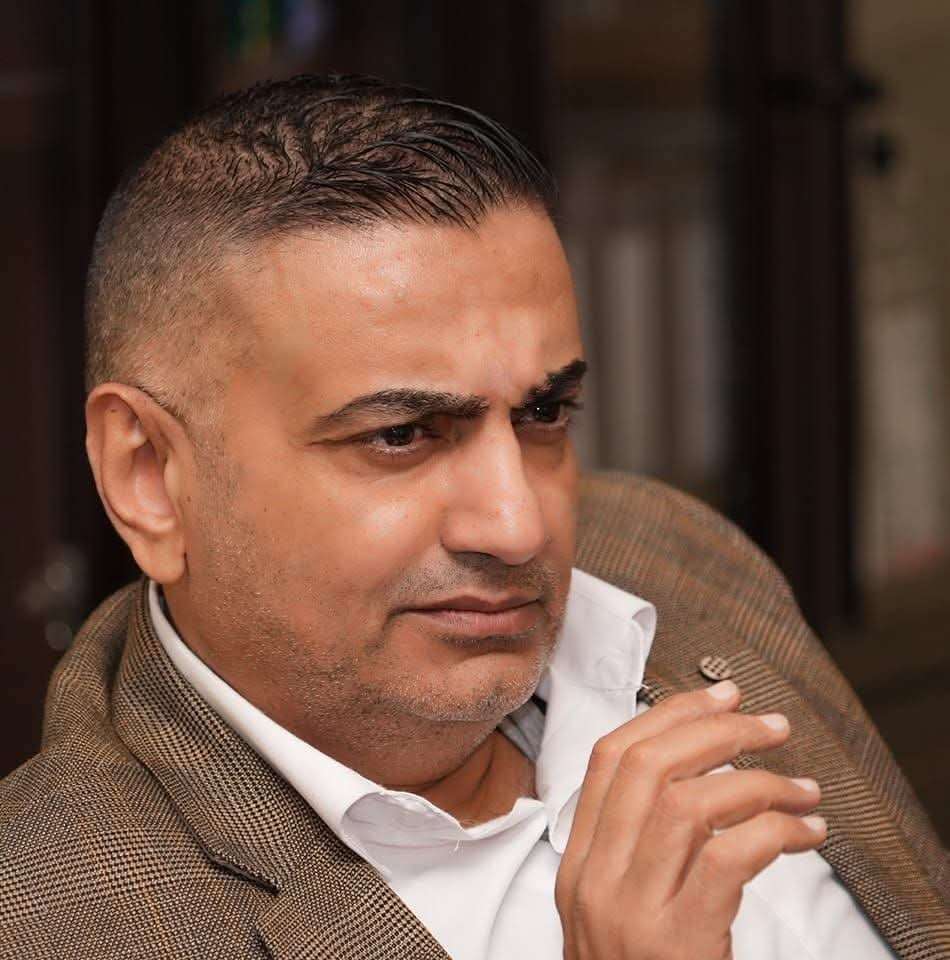
كتب محمود الفطافطة

حين يُدار الأمن بالعقل، لا تكون القرارات السيادية ردّ فعلٍ على حدثٍ طارئ، بل نتاج قراءة عميقة للمستقبل، وتقدير دقيق لموازين القوة، وفهم واعٍ لطبيعة التحديات. ومن هذا المنطلق، تأتي التوجيهات الملكية بإعادة هيكلة القوات المسلحة الأردنية بوصفها نموذجًا في الإدارة الاستراتيجية للأمن الوطني، حيث يُقدَّم العقل على الاندفاع، والتخطيط على الارتجال، والاستباق على الانتظار.
ليست الهيكلة العسكرية الأردنية إجراءً تنظيميًا تقنيًا بحتًا، بل تعبيرًا عن انتقال مدروس من مقاربات تقليدية إلى منظومة حديثة أكثر مرونة وكفاءة، قادرة على التعامل مع بيئات عمليات معقّدة ومتعددة الأبعاد.
فالمنطقة المحيطة بالأردن تشهد تحولات متسارعة في طبيعة الصراعات، حيث تراجعت الحروب التقليدية لصالح صراعات هجينة تعتمد على التكنولوجيا، والمعلومة، والقدرة على التأثير غير المباشر، ما فرض على الدول إعادة تعريف مفهوم القوة وأدواتها.
وفي هذا السياق، تبرز الهيكلة الجديدة كترجمة عملية لفكرة أن الأمن لا يُدار بالسلاح وحده، بل بالمعرفة، والتكامل المؤسسي، وسرعة اتخاذ القرار المبني على المعلومة الدقيقة. إذ تهدف هذه الهيكلة إلى بناء قوات مسلحة قادرة على العمل بوحدات مرنة متعددة المهام، مدعومة بأنظمة قيادة وسيطرة واستخبارات متقدمة، تضمن الجاهزية والاستجابة الفاعلة لأي تهديد محتمل، دون استنزاف أو مغامرة غير محسوبة.
وتستند هذه المقاربة إلى خبرة ميدانية صلبة راكمتها القوات المسلحة الأردنية عبر محطات وصدامات سابقة فرضها واقع الإقليم، حيث أثبتت تلك التجارب أن الجاهزية المبنية على التخطيط الاستباقي والمعرفة الدقيقة كانت العامل الحاسم في إفشال التهديدات، وحماية الحدود، والحفاظ على الاستقرار الوطني.
وقد أكدت هذه المحطات أن الأمن لا يُدار بردود الفعل، بل ببنية عسكرية مرنة، وقدرة عالية على التكيّف، وتكامل محكم بين القرار السياسي والقدرة العسكرية.
وتنسجم هذه الرؤية مع الاتجاهات العالمية في تحديث الجيوش، التي أثبتت التجارب الدولية أنها أكثر فاعلية عندما تقوم على تعظيم القدرات النوعية بدل الاعتماد على الكتلة العددية، من خلال الاستثمار في التدريب المتخصص، والتكنولوجيا المتقدمة، وأنماط القيادة المرنة.
غير أن ما يميّز التجربة الأردنية هو تركيزها الواضح على بناء القوة الذاتية، عبر توطين الصناعات الدفاعية، وربط الإنتاج العسكري بالبحث العلمي والإنتاج المعرفي، بما يعزز الاستقلالية السيادية، ويرفع كفاءة الردع، ويمنح القرار العسكري حرية الحركة والاستدامة في مواجهة التحديات المتغيرة.
وقد أثبتت الصناعة الدفاعية الأردنية قدرتها على تلبية احتياجات القوات المسلحة بكفاءة وموثوقية، مؤكدة أن السلاح الذي يُنتَج محليًا لا يختصر الكلفة فحسب، بل يحمي السيادة، ويمنع الارتهان للخارج في لحظات الأزمات.
فامتلاك الدولة لأدواتها الدفاعية، ومعرفتها التقنية، يعني امتلاكها لقرارها، وقدرتها على التطوير والتحديث دون قيود سياسية أو تقنية.
كما أولت القيادة اهتمامًا خاصًا بالإنتاج المعرفي والحرب السيبرانية والتكنولوجيا المتقدمة، إدراكًا بأن الصراع الحديث قد يبدأ في الفضاء الرقمي قبل أن ينتقل إلى الميدان.
وفي هذا المجال، برز الذكاء الأردني كرافعة حقيقية للقوة، حيث جرى الاستثمار في الكفاءات الوطنية في مجالات الأمن السيبراني، وتحليل البيانات، والأنظمة الرقمية، وتحويل المعرفة إلى عنصر فاعل في العقيدة العسكرية الحديثة.
ويعكس الربط بين المؤسسة العسكرية ومراكز البحث والتطوير فهمًا استراتيجيًا لأهمية الاستدامة، فالقوة التي لا تتجدد تضعف، والجيش الذي لا ينتج معرفته يبقى تابعًا.
ومن هنا، تحولت مراكز التطوير الدفاعي في الأردن إلى منصات إنتاج معرفي، تسهم في تحديث المنظومة العسكرية، وتغذية القرار العملياتي بحلول علمية قائمة على الواقع لا الافتراض.
في المحصلة، ما نشهده اليوم ليس استجابة ظرفية لتحديات آنية، بل نتاج حنكة قيادة تعرف متى تتخذ القرار، وكيف تختار توقيته، وبأي أدوات تُنفّذه. فالقرار الصائب لا يُقاس بضجيجه، بل بأثره البعيد، ولا بسرعة الإعلان عنه، بل بقدرته على تحصين الدولة قبل أن تُختبر.
وحين يُدار الأمن بالعقل، كما في النموذج الأردني، تتحول القوة من عبء إلى ضمانة، ومن ردّ فعل إلى فعل استباقي، يحمي الوطن، ويصون قراره، ويؤسس لأمن مستدام في إقليم لا يرحم المتأخرين عن قراءة متغيراته.
When Security Is Governed by Reason: The Jordanian Military Restructuring as a Model
By Mahmoud Al-Fatafta
When security is governed by reason, sovereign decisions are not mere reactions to sudden events, but the product of a deep reading of the future, a precise assessment of balances of power, and a conscious
understanding of the nature of challenges. From this standpoint come the royal directives to restructure the Jordanian Armed Forces, as a model of strategic management of national security—where reason is prioritized over impulsiveness, planning over improvisation, and anticipation over waiting.
The Jordanian military restructuring is not a purely technical organizational measure; rather, it expresses a deliberate transition from traditional approaches to a modern system that is more flexible and efficient, capable of dealing with complex, multi-dimensional operational environments.
The region surrounding Jordan is witnessing rapid transformations in the nature of conflicts, where conventional wars have receded in favor of hybrid conflicts that rely on technology, information, and indirect influence. This reality has compelled states to redefine the concept of power and its instruments.
In this context, the new restructuring emerges as a practical translation of the idea that security is not managed by weapons alone, but by knowledge, institutional integration, and rapid decision-making based on accurate information. This restructuring aims to build armed forces capable of operating through flexible, multi-mission units, supported by advanced command, control, and intelligence systems that ensure readiness and effective response to any potential threat, without exhaustion or uncalculated risk.
This approach is grounded in solid field experience accumulated by the Jordanian Armed Forces through previous stations and confrontations imposed by the realities of the region. These experiences proved that readiness built on anticipatory planning and precise knowledge was the decisive factor in thwarting threats, protecting borders, and maintaining national stability. They confirmed that security is not managed through reactions, but through a flexible military structure, a high capacity for adaptation, and tight integration between political decision-making and military capability.
This vision aligns with global trends in modernizing armies, as international experiences have shown that the most effective forces are those that maximize qualitative capabilities rather than relying on sheer numerical mass, through investment in specialized training, advanced technology, and flexible leadership models.
What distinguishes the Jordanian experience, however, is its clear focus on building self-reliant power by localizing defense industries and linking military production with scientific research and knowledge generation. This enhances sovereign independence, raises deterrence efficiency, and grants military decision-making freedom of movement and sustainability in confronting evolving challenges.
The Jordanian defense industry has proven its ability to meet the needs of the armed forces with efficiency and reliability, affirming that domestically produced weapons not only reduce costs but also protect sovereignty and prevent dependence on external sources during times of crisis. A state’s possession of its own defensive tools and technical knowledge means possession of its decision-making power and its ability to develop and modernize without political or technical constraints.
The leadership has also given special attention to knowledge production, cyber warfare, and advanced technology, recognizing that modern conflict may begin in cyberspace before moving to the battlefield. In this field, Jordanian intelligence has emerged as a true force multiplier, with investment in national competencies in cybersecurity, data analysis, and digital systems, transforming knowledge into an active element of modern military doctrine.
The linkage between the military institution and research and development centers reflects a strategic understanding of sustainability: power that does not renew itself weakens, and an army that does not produce its own knowledge remains dependent. Thus, defense development centers in Jordan have become platforms for knowledge production, contributing to the modernization of the military system and feeding operational decision-making with scientific, reality-based solutions rather than assumptions.
In conclusion, what we are witnessing today is not a situational response to immediate challenges, but the product of a leadership with the wisdom to know when to make a decision, how to choose its timing, and with which tools to implement it. A sound decision is not measured by its noise, but by its long-term impact; not by the speed of its announcement, but by its ability to fortify the state before it is tested. When security is governed by reason—as in the Jordanian model—power is transformed from a burden into a guarantee, from reaction into anticipatory action that protects the homeland, safeguards its decision-making, and lays the foundation for sustainable security in a region that does not forgive those who fail to read its changing variables.